
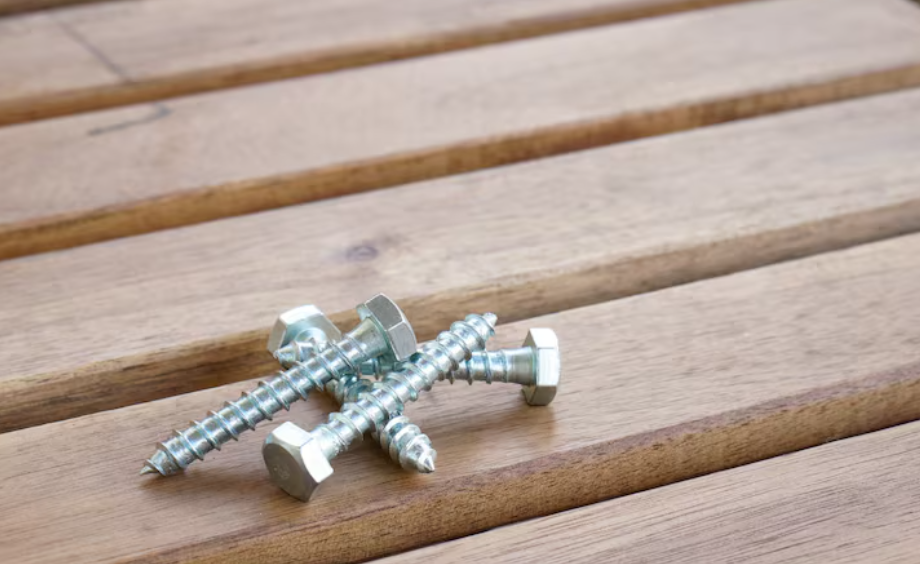
Choosing the right screws is one of the most important decisions in woodworking. Whether you’re building furniture, cabinetry, or structural frames, the type of screw determines how strong and durable your joints will be. With so many sizes, materials, and head styles available, understanding which screws perform best in wood applications can help you achieve clean, secure, and long-lasting results.
Introduction: Why Screw Selection Matters in Woodworking
Wood is a natural material that expands and contracts with humidity and temperature. Using the wrong screw type can lead to splitting, loosening, or weakened joints over time. Wood screws are specially designed with coarse threads, tapered bodies, and sharp tips to penetrate and hold wood fibers effectively. Choosing the correct screw for your project ensures structural integrity while maintaining a smooth finish.
Understanding Wood Screw Design
A typical wood screw consists of a pointed tip, a partially threaded shank, and a flat or countersunk head. The threads grip the wood fibers, while the smooth upper shank allows the top piece to pull tightly against the base. This combination creates a strong joint without over-compressing the material. For hardwoods, pre-drilling pilot holes helps prevent splitting and ensures smoother insertion.
Common Types of Wood Screws
Several screw types are ideal for woodworking, depending on the project and materials used:
• Standard Wood Screws – The classic choice with a tapered body and deep threads, ideal for furniture, frames, and general joinery.
• Deck Screws – Coated for outdoor durability; perfect for patios, fences, and exterior woodwork exposed to moisture.
• Pocket Hole Screws – Designed with self-tapping tips and flat washers for concealed joinery systems.
• Trim Screws – Have smaller heads that sit flush or slightly below the surface, great for fine finishing work.
• Structural Wood Screws – Heavy-duty fasteners used in framing, beams, and load-bearing connections where strength is critical.
Choosing the Right Material
The material of the screw determines its resistance to rust, staining, and shear force. For indoor projects, plain steel or brass screws are often sufficient. For outdoor use, galvanized or stainless steel screws are essential to prevent corrosion. Stainless steel is especially valuable in humid or coastal environments, while coated deck screws offer an affordable alternative for moisture resistance.
Selecting the Correct Length and Size
The general rule for screw length is that it should penetrate at least half to two-thirds of the bottom piece of wood. Too short, and the joint will be weak; too long, and the screw could pierce through the other side. As for gauge (diameter), thicker screws hold better in softwoods, while thinner ones prevent splitting in dense hardwoods. Always match the screw’s thread pattern to the wood type for the best grip.
Head Types and Drive Styles
Wood screws come in several head types, each suited to a specific purpose:
• Flat Head – Sits flush with the surface; ideal for finishing or countersunk holes.
• Pan Head – Provides a wider bearing surface for greater holding power.
• Round Head – Used for decorative purposes or where the screw head will remain visible.
• Bugle Head – Common in drywall and decking, reducing surface damage during installation.
Drive types also matter. Phillips and square drives are common for general use, while Torx drives provide better torque transfer and reduce the risk of stripping.
Tips for Stronger Wood Joints
• Always pre-drill pilot holes for hardwoods to prevent cracking.
• Use countersink bits to allow the screw head to sit flush.
• Avoid over-tightening, which can strip threads and weaken joints.
• Apply wood glue along with screws for stronger, permanent bonds.
• Choose coated screws for projects exposed to moisture or temperature changes.
Indoor vs. Outdoor Wood Screws
Indoor screws focus on appearance and precision, while outdoor screws must endure weather and stress. Deck screws and stainless steel wood screws are engineered to resist rust, UV exposure, and expansion caused by moisture. Indoor screws, often brass or zinc-coated, offer smoother finishes ideal for cabinetry, shelving, or furniture that remains in controlled environments.
Common Mistakes to Avoid
• Using drywall screws in woodworking—they are brittle and prone to snapping.
• Failing to match screw type with material or coating for the environment.
• Ignoring pilot holes in hardwoods, which can cause splitting.
• Reusing old screws with worn threads or damaged heads.
• Mixing metal types, leading to galvanic corrosion in outdoor projects.
Conclusion
The best screws for woodworking combine strength, precision, and compatibility with the material. Whether you’re crafting fine furniture or building a durable outdoor deck, selecting the right screw type, length, and coating will ensure lasting results. By understanding wood behavior and screw design, every craftsman can create joints that stand the test of time—both structurally and aesthetically.
 立即來電
立即來電 加入好友
加入好友